Greetmirror: A Handwritten Font That Elevates Campaign Visuals
Choosing the Right Font for a Product Launch Graphic
I was putting together a teaser graphic for a new product launch on Instagram when I realized the font I was using didn’t quite capture the playful, personable tone we were going for. The brand voice was warm and approachable, but the clean sans serif we’d used in past campaigns felt too corporate this time. That’s when I remembered Greetmirror — a script font I’d downloaded a few weeks earlier but hadn’t had the chance to test in a real workflow.
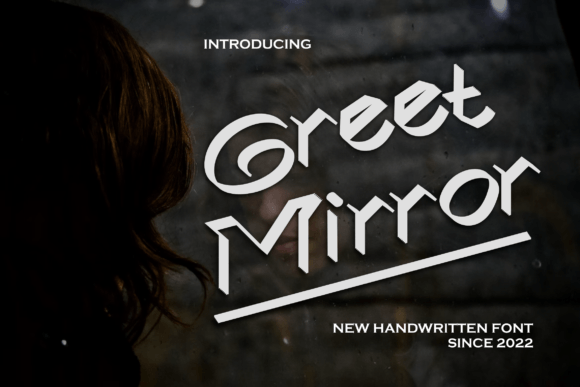
Greetmirror immediately stood out with its organic, handwritten charm. The letters have a natural flow, with subtle variations in stroke weight and spacing that mimic real handwriting without looking messy. It’s the kind of font that feels personal yet polished — perfect for social-first campaigns where warmth and creativity matter more than clinical precision.
How Greetmirror Performs in Digital Campaign Assets
Once I swapped in Greetmirror for the headline text, the whole graphic felt more aligned with the brand’s tone. The font has a relaxed, slightly whimsical personality that worked especially well for a lifestyle product launch. It’s not overly stylized like some script fonts that can become hard to read or feel outdated quickly. Instead, Greetmirror balances legibility with character, making it a strong choice for display text in digital visuals.
I tested it across multiple campaign assets — from Instagram Stories to YouTube thumbnails — and found it held up well in both static and motion formats. On thumbnails, it helped the text pop without looking forced. In Stories, where quick readability is key, it worked best for short phrases and callouts rather than full sentences. The font’s natural texture gave the visuals a handcrafted edge that felt authentic and less stock-photo-ish than some more generic display fonts.
Where Greetmirror Shines (And Where It Falls Short)
From a design perspective, Greetmirror is best suited for short, high-impact text. I found it worked beautifully in:
- Social media quotes and motivational graphics
- Product teaser headlines
- Email banners and opt-in forms
- Pinterest pins and blog headers
- Reels covers and YouTube thumbnails
Its organic texture and soft curves make it ideal for brands that want to feel human, creative, and expressive. It pairs especially well with minimalist layouts — think light backgrounds, soft pastel tones, and clean supporting fonts like a simple sans serif for body copy.
That said, Greetmirror isn’t a one-size-fits-all solution. I wouldn’t recommend it for:
- Long paragraphs or dense information blocks
- Small text in digital ads or email footers
- Formal brand communications or corporate reports
- Dark backgrounds without careful contrast adjustments
It’s also worth noting that on mobile previews — especially in fast-scrolling feeds — the font works best when used sparingly and at a large enough size to remain legible. For best results, I suggest using it for headlines of 20px or larger in digital graphics.
Designing with Greetmirror: Pairing and Practical Use
One of the most important aspects of using any script font is knowing how to pair it with other typefaces. Greetmirror shines when combined with clean, modern fonts that let it take center stage. I often paired it with a simple sans serif like Montserrat or Lato for subheadings and supporting text. This contrast helped maintain visual hierarchy while keeping the overall design cohesive.
The font includes multiple alternates and ligatures, which I found useful for customizing headlines and avoiding repetitive letterforms. It supports a wide range of languages and comes in both OTF and TTF formats, making it versatile for international campaigns or multilingual content creators.
If you’re planning to use Greetmirror commercially — whether in client work, branded templates, or digital products — make sure to double-check the licensing terms. Most premium script fonts like this include commercial use rights, but it’s always good to confirm before distributing designs publicly.