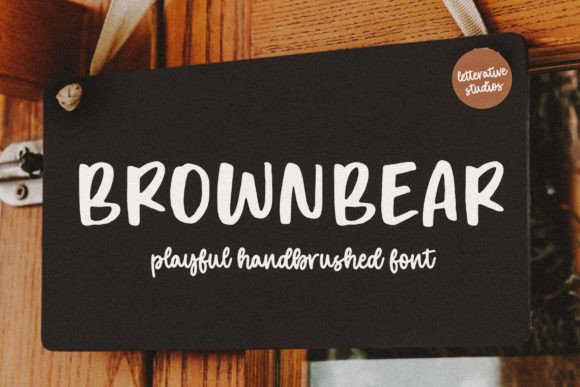
Brownbear: A Handwritten Font That Brings Warmth to Every Maker’s Creation
Designing with Brownbear: From Candle Labels to Wedding Invitations
It was a quiet Sunday morning, and I was deep in the process of designing a set of candle labels for my seasonal collection. I had the layout ready, the colors picked out, but something was missing. The font didn’t quite match the cozy, artisanal vibe I wanted to convey. Then I opened up Brownbear — a fresh, stylish handwritten font — and everything clicked into place.
Brownbear isn’t just another font in my library. It has a personality all its own — soft, approachable, and full of charm. It feels like a personal touch from the maker’s hand, perfect for anyone crafting physical products or digital downloads with heart and intention. Whether you’re printing boutique tags, designing greeting cards, or creating digital wall art, this script font adds a layer of warmth that resonates with customers.
Bringing Brownbear to Life on Real Products
One of the first projects I used Brownbear on was a set of greeting cards for a local boutique. I needed something that felt personal but still polished. I paired the font with a clean sans serif for the body text and used Brownbear for the main greeting. The result was elegant yet casual — perfect for handwritten-style cards that customers could personalize themselves.
Next, I tried it on a wedding welcome board mockup. I used Brownbear for the couple’s names and the event date, then added a simple serif font underneath for the details. The contrast worked beautifully, and the font’s natural flow gave the design a romantic, hand-lettered feel. It wasn’t just readable — it was inviting.
When designing candle labels, I found that Brownbear’s casual elegance balanced out the more structured elements of the label design. I used it for the scent name and a short tagline, and it stood out without overwhelming the layout. The PUA encoding made it easy to access all the alternate characters and ligatures, which added a custom touch to each label.
Why Brownbear Works for Makers and Sellers
As a maker, consistency in your brand matters — and typography is a big part of that. Brownbear offers a level of visual cohesion that can unify your product line, whether you're printing packaging tags or designing digital templates. Its versatility makes it suitable for a wide range of applications:
- Product labels for candles, soaps, and food items
- Wedding invitations and stationery sets
- Printable wall art and planner pages
- Stickers and boutique tags for Etsy listings
- Custom mugs, tote bags, and t-shirts
- Digital download previews for Canva templates or SVG files
Because of its handwritten style, Brownbear works best for short phrases, titles, names, and decorative elements. It shines in display use — like on signs, packaging, or social media graphics — but isn’t ideal for long blocks of text. That said, when used intentionally, it elevates the emotional appeal of your work and helps your brand stand out.
Practical Design Tips for Using Brownbear
When working with Brownbear on physical products, especially small items like stickers or product tags, I always check the readability in preview mode. Sometimes the swashes or ligatures can be too delicate for small cuts on a Cricut or Silhouette machine. In those cases, I’ll simplify the text or choose a version of the font without extra flourishes.
For printed materials like greeting cards or packaging, I recommend testing a small print run first. This allows you to see how the font looks in real life — the texture of the paper, the ink coverage, and even the lighting can affect how the font reads.
If you’re using Brownbear for digital downloads, make sure the font is properly embedded or that you have a commercial license. Many of my fellow printable creators have run into issues when fonts weren’t licensed for resale, so always double-check what’s included in your purchase.
Pairing Brownbear with Other Fonts
One of the joys of using a script font like Brownbear is the opportunity to pair it with complementary typefaces. I often use a clean sans serif like Montserrat or Lato underneath to balance out the organic flow of the script. For more rustic or vintage looks, a simple serif font like Playfair Display works well.
If I’m going for a more playful or modern vibe, I’ll pair Brownbear with a bold sans serif title font. The contrast between the soft script and the strong, blocky letters creates visual interest and hierarchy in the design. Just be careful not to overdo it — one standout font per design is usually enough.
What to Look for When Purchasing Brownbear
Before using Brownbear in your product line, always check what’s included in the font package. Look for:
- Alternate characters and ligatures for customization
- Multiple file formats (OTF, TTF, WOFF)
- Multilingual support if you sell internationally
- Commercial font licensing for resale use
Many premium fonts come with a variety of weights and styles, but Brownbear is typically offered as a single weight. That said, its character and versatility make up for it, especially when used in branding or packaging design.
Final Creative Notes
Brownbear is more than just a font — it’s a design asset that adds personality and warmth to every project. Whether you're creating seasonal products, digital printables, or handmade packaging, this script font helps you connect with your audience in a more meaningful way. It’s the kind of typeface that feels like a signature — personal, memorable, and full of heart.
As a maker, I’ve found that using the right font can change the entire mood of a product. Brownbear has become a go-to in my toolkit, and I know many other Etsy sellers, printable creators, and crafters feel the same. If you’re looking for a way to elevate your shop’s branding or bring a handmade feel to your digital designs, give Brownbear a try. You might just find your new favorite font.